With just days remaining, the UK’s latest public consultation on fire safety regulations is entering its final stretch and this is a critical moment forthe upholstery industry, professionals and the public to have their say.
Launched at the end of March 2026, the Government’s consultation on reforming the Furniture and Furnishings (Fire Safety) Regulations 1988 is open until midnight on Tuesday, 23 June 2026. After years of debate, research, and growing concern, this is widely seen as a pivotal opportunity to modernise one of the UK’s most significant product safety regimes.
These opportunities for the public to influence policy don’t come around too often, so it really is a chance to help make a difference.
Why The UK Fire Safety Regulations Are Being Reviewed
The current regulations, dating back nearly four decades, have long been criticised as outdated and increasingly out of step with modern materials, manufacturing and risk profiles. Society, and the way we live our lives in general, has changed significantly since the late 1980’s and yet these regulations have stayed the same.
Recent media coverage and policy discussions have reinforced the urgency:
-
Upholsterers and industry safety experts have warned that outdated rules may expose households to toxic chemicals and ineffective testing standards.
-
The legacy of the Grenfell Tower fire continues to shape national conversations on fire safety reform, with ongoing commitments to implement safety recommendations and overhaul regulation.
-
When the rules were written in 1988, the risk from open flames was higher. We now have safer lighters, matches and smoke alarms (4% of homes had smoke alarms in 1988; now the figure is over 92%).
-
Broader product safety concerns, such as the rise in fires linked to lithium batteries in e-bikes and e-scooters, have highlighted gaps in how modern risks are regulated.
Together, these developments underline a clear message: fire risk is evolving and regulations must evolve with it.
What changes are being proposed in the consultation?
The consultation focuses specifically on domestic upholstered furniture but its implications are far-reaching across manufacturing, retail, compliance and sustainability.
Key proposals include:
-
Introducing smoulder-based testing to better reflect real-world ignition risks
-
Moving away from outdated open-flame testing requirements
-
Allowing more flexible and innovative testing approaches
-
Adjusting scope to better reflect modern supply chains and second-hand markets
At the heart of these proposals is a balancing act. We need to maintain high levels of fire safety whilst reducing reliance on chemical flame retardants.

The chemical question: Fire Safety vs Toxicity
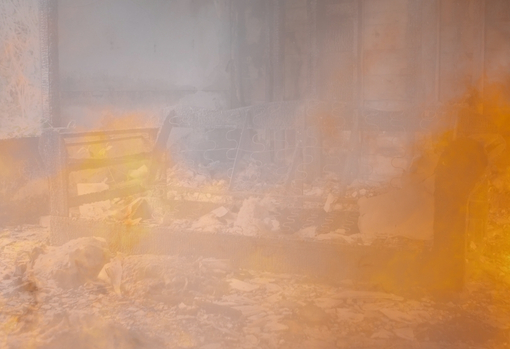
One of the most important, and often overlooked, aspects of fire safety is that it is not the flames that kill most people but the smoke.
UK fire data and research consistently show that smoke inhalation is the leading cause of death in domestic fires, driven by toxic gases such as carbon monoxide and hydrogen cyanide.
In the 1970s and 1980s, occupants of a typical home fire may have had in the region of 15 – 17 minutes before conditions became un-survivable. In modern homes, that window has shrunk significantly, with some studies indicating escape times of as little as 2 – 4 minutes in worst-case scenarios.
This is not because fires “burn faster” in a simple sense, but because the materials inside our homes have changed: synthetic foams, plastics and composite materials ignite more readily and produce far more toxic smoke. In many cases, occupants never encounter flames directly; they are being overcome instead by rapidly developing, highly toxic smoke. The result is a stark shift in fire dynamics: fewer seconds to react, less visibility and a far narrower margin between survival and tragedy.
When chemically treated furniture burns, it can produce a complex and highly toxic mix of gases and particles. This creates a difficult but important balance. Measures designed to improve fire performance must also be assessed in terms of their impact to health and on smoke toxicity.
Other countries, including the United States and EU member states, have already moved toward alternative approaches without compromising fire safety outcomes.
The consultation, therefore, represents a potential shift toward a more risk-based, sustainable model of fire safety.
Hidden Impact: The health risks of fire-retardant chemicals in furniture for upholsterers, firefighters and everyone who uses furniture
While much of the public debate has focused on consumer safety, there is growing attention on the occupational health risks faced by upholsterers and furniture makers, as well as firefighters, working directly with fire-retardant-treated materials.
As mentioned, compliance with UK fire safety regulations has relied on the use of chemical flame retardants applied to foams, fabrics and interliners. As a result, upholsterers, particularly those in small workshops or involved in reupholstery, face repeated and prolonged exposure.
Key concerns include:
-
Inhalation of dust and fibres released during stripping of old furniture as well as cutting & sewing new fabrics
-
Skin contact with treated materials – rashes and burning sensations when skin is exposed to the back coating on fabrics
-
Exposure to legacy chemicals in older furniture of unknown composition
These exposures have been linked to respiratory issues, hormone disruption, infertility, cancers and longer-term health risks, while practical challenges remain around ventilation, PPE and safe disposal, especially for smaller businesses.
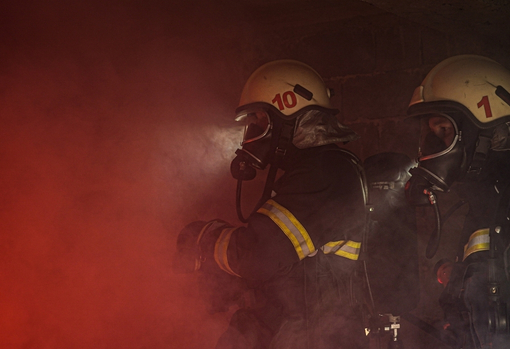
These issues are also particularly acute for firefighters, who are routinely exposed to the most hazardous conditions during a fire. Even with protective gear and the breathing apparatus firefighters wear, elevated rates of certain cancers have been observed in firefighter populations and post-incident reviews, such as those following the Grenfell Tower fire, have reported significant levels of long-term health conditions, particularly among those exposed to heavy smoke. UK firefighters have been reported to experience cancer rates up to 323% higher in younger age groups (35–39) compared to the general population (FIDRA)
But it isn’t just those working in the industries that are affected. Their risk may be greater due to a larger exposure, but these chemical side effects have been attributed to people simply sitting on their own sofa at home. Over time, these flame-retardant chemicals leach out from fabrics and fillings into the air around us, which we then breathe in.
Every single one of us has a build up of these chemicals within our bodies right now.

Why your response to the consultation matters
The government has made it clear that responses from industry, stakeholders and the public will directly shape the final policy direction.
This is particularly important because:
-
The issue has historically lacked consensus across sectors
-
The evidence base is complex
-
The final regulations will have long-term implications for safety, cost, innovation and environmental impact
This isn’t just a technical policy update, it’s a chance to help define the future of fire safety in the UK and reduce our reliance on toxic chemicals in our homes.
It has taken years of sustained effort from campaigners like Delyth Featherstone-Dilke & many others to get us to this point but we now have a real chance to drastically reduce the levels of toxicity in our homes & support the Circular Economy.
Final countdown: how to take part in the consultation
The consultation closes at 23:59 on Tuesday, 23 June 2026.
It is only 4 questions, which will take two minutes of your time. It’s incredibly simple; you just need to click agree as your answer to all 4 questions.
As we approach the deadline, now is the time for a final push across the sector.
Whether you are a manufacturer, designer, retailer, fire safety professional, policymaker or simply someone with an interest in safer, healthier, more sustainable homes – your input matters.
The decisions made on the results of this consultation won’t just update a set of regulations. They will shape the future of fire safety in the UK. It will help every single one of us who live with these products in our homes, the people who make and repair them, and the people who respond when things go wrong.
That kind of impact is definitely worth 2 minutes of your time…
Article suggestions for you
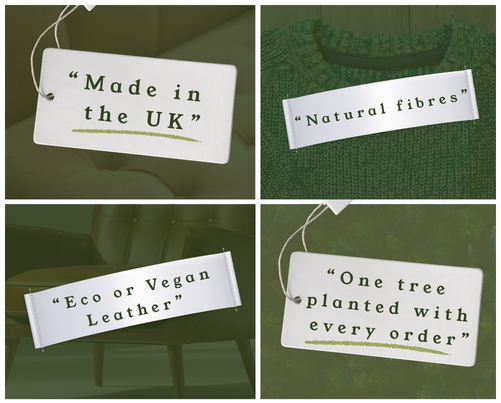 A thought-provoking look at the hidden realities of the modern trend of sustainability, this blog explores how greenwashing and consumer culture keep us buying more and why repair is the real solution to reducing waste and living sustainably.
 Spring cleaning doesn’t have to mean throwing things away. In this guide, we explore how to declutter sustainably by repairing, repurposing and donating unwanted items instead of sending them to landfill. From practical reuse ideas to organisations that give your items a second life, this article shows how a simple mindset shift can turn your spring clean into a positive environmental action, helping you create a calmer home while supporting a more circular economy.
 From chocolate wrappers to bunny & chick decorations, Easter generates a surprising amount of waste. Explore practical, inspiring ways to celebrate this year with less consumption and more connection.