There’s no shying away from it – UK has a problem with throwaway culture. One that is creating growing environmental, economic and social problems.
From broken kettles and torn clothing to stained chairs, cracked phone screens and faulty laptops, it often feels easier, and sometimes cheaper, to replace than to repair. This cycle of mass consumerism comes at a huge cost: to our wallets, our communities and the environment.
As we discussed in our last blog, if repair is going to become a truly mainstream alternative to replacement, we need a strong, visible and accessible repair ecosystem. That ecosystem depends on three distinct and equally vital pillars: Repair Businesses, Repair Cafés and Fix It Yourself (DIY) repair.
Each plays a unique and important role. Together, and only together, they can challenge the culture of disposability and mass consumerism to make repair, not replace, the first choice.

Repair Businesses: Professional, Skilled and Scalable
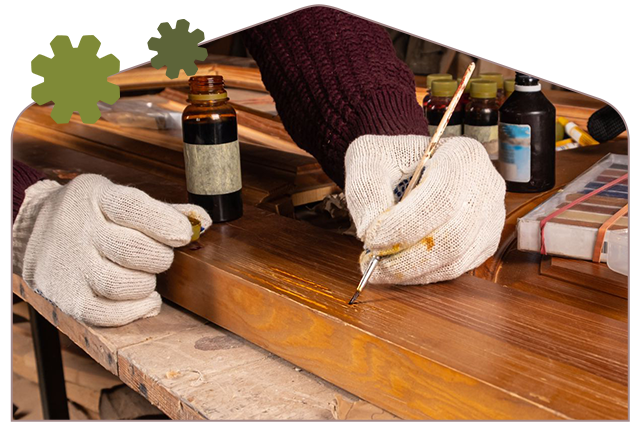
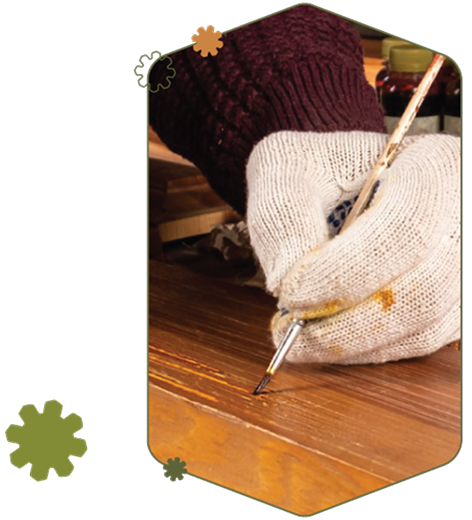
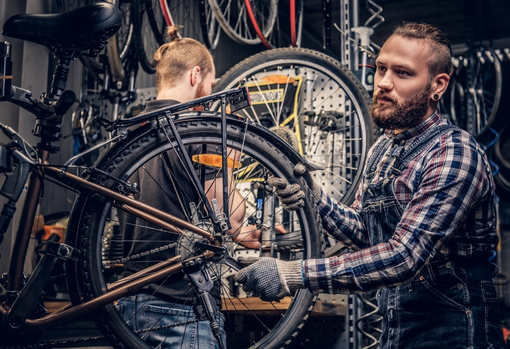
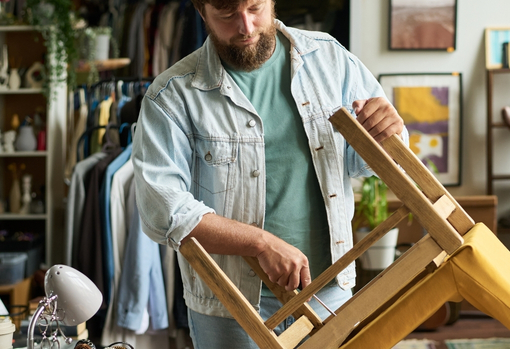
Repair businesses are the backbone of the repair economy. From independent electronics shops and shoe repairers to musical instrument repairers, upholsterers and wood restorers, these businesses provide professional expertise that most people can’t replicate at home.
They are essential for:
-
Complex and safety-critical repairs (such as electrical appliances, vehicles, and specialist equipment)
-
High-skill work that requires training, tools and expertise
-
Scaling repair so it’s available to large numbers of people, not just small community groups
-
Availability – Just like any other business, repair businesses are open every week for people to get in touch with. Perfect for those of us with busy lives that want to repair but just don’t have the time, inclination or skills to do it ourselves.
Without thriving repair businesses, many items will simply never be repaired, even if people want to. These businesses also create local, skilled green jobs, preserve valuable skills and keep money circulating in local economies.
However, these businesses face barriers: restricted and/or costly access to spare parts, product designs that make repair difficult and price competition with cheap new imported goods. Supporting repair businesses is essential if repair is to compete with the convenience of replacement.


Repair Cafés: Community and Culture Change
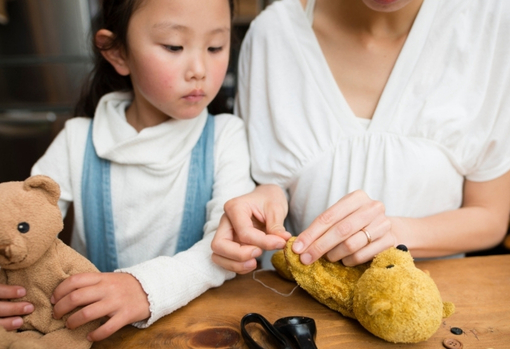
Repair Cafés are about more than fixing things. They are about changing attitudes and rebuilding a culture of repair. Run by volunteers and community groups, Repair Cafés offer free help to repair everyday items such as clothing, small appliances, toys, bikes and garden tools. But their real power lies in:
-
Sharing skills and knowledge between generations and communities
-
Repairing items that are so cheap to buy new that it is not economical for repair businesses to work on, like kettles & toasters.
There are now nearly 800 Repair Cafés across the UK, a number that has grown rapidly in recent years, driven by the cost-of-living crisis and growing environmental awareness. Repair Cafés lower the barrier to repair for people who might otherwise give up and throw things away. They also play a crucial educational role, helping people understand how their belongings work and how to care for them.
They don’t replace professional repair. They complement it by creating a culture where repair is valued, visible and celebrated.
Fix It Yourself: Empowerment and Everyday Repair
DIY repair is where repair becomes part of everyday life.
From sewing on a button and replacing a phone battery to fixing a loose plug or tightening a bike chain, DIY repair empowers people to take real ownership of their belongings. It helps people:
-
Save money
-
Build practical skills and confidence
-
Extend the life of everyday items
-
Develop a mindset of care, not disposal
DIY repair used to be a normal part of everyday life in the UK, just like cooking or basic home maintenance. Yet surveys now show that the majority of people default to replacement. Around 75% of people in the UK say they are more likely to replace a broken appliance than attempt to repair it, often because they believe repair will be too expensive or too difficult.
Making DIY repair easier, through access to workshops to learn new skills, clear instructions and repair-friendly product design, is critical for changing this behaviour and making repair part of everyday life.
Why The UK Needs All Three Types of Repair Together
No single approach can fix the throwaway culture on its own. Repair needs to be an easy, accessible option for every single person in society; young and old, rich and poor, busy and free. We need to provide options for everyone. By combining all three pillars of repair, we can do just that.
-
Repair businesses provide professional capacity and scale
-
Repair Cafés drive community engagement and culture change
-
DIY repair builds everyday skills and personal responsibility
If any one of these is missing, the system weakens. Without businesses, complex items are lost. Without Repair Cafés, repair stays invisible. Without DIY, people remain dependent on the consumerist system and disconnected from their possessions.
Together, they create a repair ecosystem that can genuinely compete with mass consumerism, making repair convenient, normal and valued.
Repair Week 2026: Building a Repair First Culture
This is why Repair Week, running from Monday 2nd – Sunday 8th March 2026, is so important.
Repair Week was started six years ago by ReLondon and it is a fantastic opportunity to shine a spotlight on all forms of repair. To celebrate and support the people, skills and organisations that make repair possible across the UK. It’s a time to:
-
Support local repair businesses – take an item into a business to get it repaired or simply show them some support on social media by sharing them & commenting on their pages
-
Visit or volunteer at a Repair Café
-
Engage with your local council events (and if they haven’t got any running, get in touch with them to ask them why not! And ask them to introduce ways to support local repair going forward)
-
Try fixing something yourself – attend a workshop to learn new skills or give it a go at home yourself with the help of online tutorials
-
Start conversations about repair in your workplace, school or community
If we want a future where repair is the default, not the exception, we need action from policymakers, manufacturers, communities and individuals alike, but the real power lies with us individuals. That’s the magic…you may think that as just one person, you cannot make a difference, but the reality is that you could not be more wrong!
Every single time you choose to repair not replace, you are taking a step back from the system of consumerism. You are choosing to withdraw your consent for the abuse of the people and planet that is handed out in vast quantities by the billionaire owners of the mass manufacturing businesses. And when one of us does it, it makes it easier for the next person to join you. Before you know it, hundreds of us are doing it, thousands of us are doing it and that’s when the governments start paying attention and real change begins.
So this Repair Week, let’s champion all three pillars of repair and help build a culture where fixing is easier, more affordable and more normal than throwing away. A thriving repair culture isn’t just good for the planet, it’s good for our communities, our skills and our shared future and it starts with you…
Article suggestions for you
 Spring cleaning doesn’t have to mean throwing things away. In this guide, we explore how to declutter sustainably by repairing, repurposing and donating unwanted items instead of sending them to landfill. From practical reuse ideas to organisations that give your items a second life, this article shows how a simple mindset shift can turn your spring clean into a positive environmental action, helping you create a calmer home while supporting a more circular economy.
 From chocolate wrappers to bunny & chick decorations, Easter generates a surprising amount of waste. Explore practical, inspiring ways to celebrate this year with less consumption and more connection.
 Repair Cafes have spread up and down the county bringing the spotlight to repair culture but is there a hidden cost to their success? Take a look at how ignoring repair businesses devalues repair as a skill and why repair must be treated as a skilled, paid profession if it is to truly thrive in the UK.