The uncomfortable truth about modern sustainability and the greenwashing lies that are all over new products.
A couple of our posts on social media over the last few weeks about greenwashing lies & recycling pressure resonated with many of you and we are delighted to hear it!
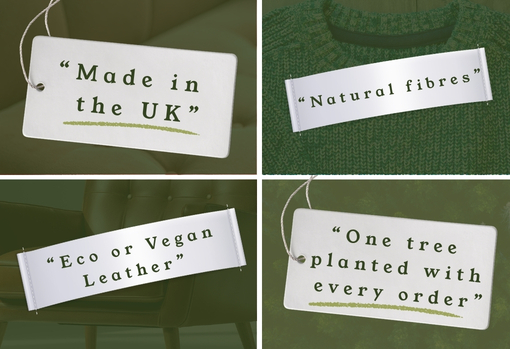
We see words such as “Sustainable”, “Eco-friendly”, “Natural Fibres”, “Conscious collection” over everything these days. But the reality is, in most cases, it is purely marketing with no substance behind it; these words are used to make you, the consumer, choose their product over another because of them.
If a brand is truly sustainable… why are they still trying to sell you more, all the time?
The Rise of “Sustainable” Consumerism
Over the last decade, sustainability has become a powerful marketing tool and it is for good reason: people want to make better choices. Deep down, we all know that the rate of consumption the world currently operates at is not sustainable.
Brands have responded with:
-
“Green” product lines
-
Recycled materials
-
Carbon offset claims like planting trees
-
Limited “eco collections”
On the surface, it all sounds positive. But underneath, the core business model hasn’t changed at all. Selling more products and making a profit is still the number one goal, which means one of the worst parts of mass-manufacturing – the sheer volume of items produced every year – doesn’t change. To keep protecting the shareholder profits, these companies NEED you to buy regularly and replace often.
The marketing message has changed from “Buy more” to “Buy better”, a subtle shift designed to make you feel better about your purchases but without actually changing anything about the volume of items produced or the product design.
The Double Standard No One Talks About
The onus for sustainable living is consistently pushed onto us as consumers. Local authorities and big brands will tell you to “use less plastic”, “recycle your packaging” and “make sustainable choices” but we never hear them say “keep your items in use for longer”.
Why? (And yes, we already know the answer to this one, don’t we?!)…
It’s because the most sustainable customer, the one who cares for and repairs their items…is also the least profitable one.
The system is designed to keep us tired and busy so that we “need” the quick and easy fix they’re selling. We as consumers have become the vital cog in the wheel that supports a system of continuous consumption.
Except that “quick and easy fix” product is often poorly made and breaks easily, so you have to start the cycle again. But there is another way, and this way has been around for far longer than the mass consumerism cycle…
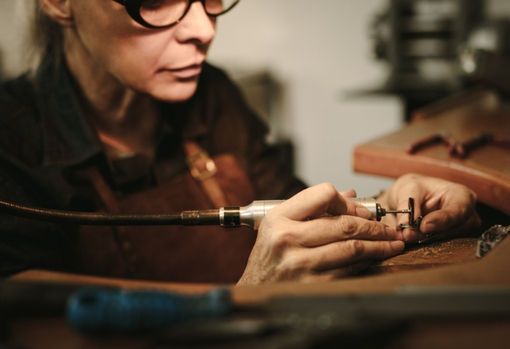
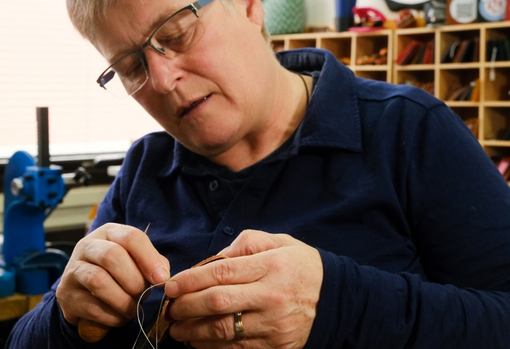
Repair isn’t just a service; it disrupts the cycle. It keeps your item in use and allows you to step out of the consumerism cycle. It shifts the focus from buying differently to using differently.
Repair Is the Missing Piece
We’ve been taught to shop our way to sustainability, but in reality, that version of sustainability does not exist.
The current situation we find ourselves in is totally unsustainable. The facts are shocking. We:
-
already have enough clothes to clothe the next six generations
-
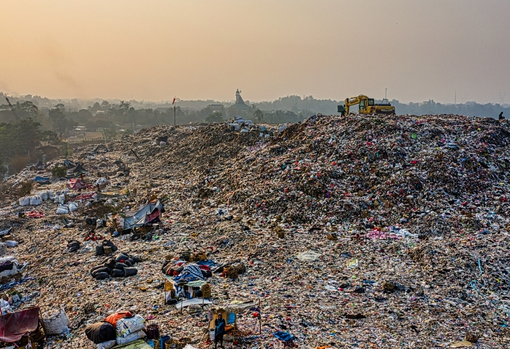
generate 92 million tons of textile waste a year, equivalent to a garbage truck full of clothes being landfilled or burned every second.
-
have over 300,000 tonnes of repairable furniture being sent to landfill every year in the UK, despite nearly 6 million Brits living in furniture poverty (End Furniture Poverty, 2026)
-
25 million mobile phones are discarded every year and yet 2% of the UK population (1.5 million people) lack access to a digital device (Data Reportal, 2025)
And the key point is – none of these problems can be solved by buying a new sustainable version. They can all be solved with repair.
The real impactful action we can all take, that will help reduce these statistics, is to own less, use our items for longer and repair them when they break, not replace them.
Repair isn’t a marketing activity; it is what makes sustainability actually work.
How do I become more sustainable from now on?
The key to making sustainable decisions and saving yourself money in the long run, is asking yourself questions before you buy. As a society, we need to break our dependency on mass consumerism and the greenwashing lies that are trying to draw us in.
That takes a change in mindset and stepping back from the speed & convenience. We need to pause before we buy and ask ourselves:
-
Do I actually need this?
-
How long will it last?
-
Can what I already own be repaired instead?
Because often…The best choice is not a new product at all. It’s connecting to the items you already own.
Article suggestions for you
 Rethink Valentine’s Day with gifts that truly last. From repairing sentimental items to sourcing second-hand treasures or making something by hand, discover sustainable, heartfelt ways to celebrate love while reducing waste and environmental impact. Thoughtful, creative, and kind to the planet - love the way it was meant to be.
 This Christmas, step away from the rush and embrace mindful, eco-friendly living. Explore how slowing down can reduce consumerism, improve wellbeing and help you reset habits for a more intentional and sustainable 2026. This is your sign to take a well deserved rest!
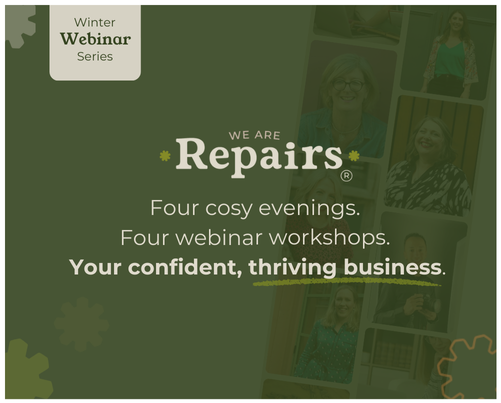 Find out about our Winter Webinar Series for Repair & Restoration Professionals. Four expert-led sessions covering confidence, pricing, writing and photography - all tailored to repair, restoration and conservation businesses. Join individual webinars or save with the £65 bundle. These also make a perfect Christmas gift for someone starting out in business.