Every Recycling Week, we’re reminded of the role we all play in protecting the environment. We’re encouraged to recycle more, separate our waste correctly, learn the latest collection rules and make better choices.
Recycling is undoubtedly important and recovering valuable materials from waste will always have a place in a more sustainable future.
However, despite decades of awareness campaigns, revised recycling guidelines, and billions of pounds invested in waste collection and processing, recycling rates have plateaued at around 40-45%, leaving a substantial amount of waste for landfill or incineration.
And yet, there is a glaringly obvious question that never seems to get asked…
Why are we still placing so much responsibility on consumers to recycle waste, while doing so little to stop waste being created in the first place?
The conversation around sustainability has become heavily focused on what happens after something is thrown away. We debate which bin an item belongs in, how efficiently it can be recycled and how to encourage people to recycle more often. Yet very little attention is given to preventing products from becoming waste at all.
As repair business owners, that is hugely frustrating, but it is also where a real opportunity lies…
Consumers Didn’t Create the Throwaway Economy
For years, environmental messaging has suggested that the public simply needs to make better choices. If recycling rates stall, we’re told we need more education. If waste levels remain high, we’re encouraged to recycle more carefully or waste less food.
But consumers didn’t create the system we’re living in.
We didn’t decide that products should be difficult to repair. We didn’t choose to fill our homes with furniture that’s often cheaper to replace than restore. We didn’t remove spare parts from the market, glue products together instead of using screws or design appliances with built-in obsolescence. We certainly didn’t create the business models that rely on selling ever-increasing volumes of new products year after year.
Yet despite this, the responsibility for solving the waste crisis is repeatedly placed on the people buying these products rather than those designing and producing them.
If we are serious about reducing waste, we have to stop pretending this is primarily a consumer problem.


Recycling Is Important, But It Isn’t Prevention.
This isn’t an argument against recycling. Recycling plays a vital role in recovering materials that would otherwise be lost and reducing our reliance on virgin resources. Better recycling infrastructure, clearer collection systems and improved packaging design are all positive steps forward.
However, recycling only begins once a product has already become waste.
By that point, the raw materials have already been extracted. Energy has already been consumed manufacturing the product. It has already been transported, packaged, sold and discarded. Our local authorities have then had pay someone to collect and sort that waste. It’s a huge outlay of both money and carbon emissions. Recycling can recover some of that value, but it cannot undo the environmental impact of producing the item in the first place.
Repair works differently.
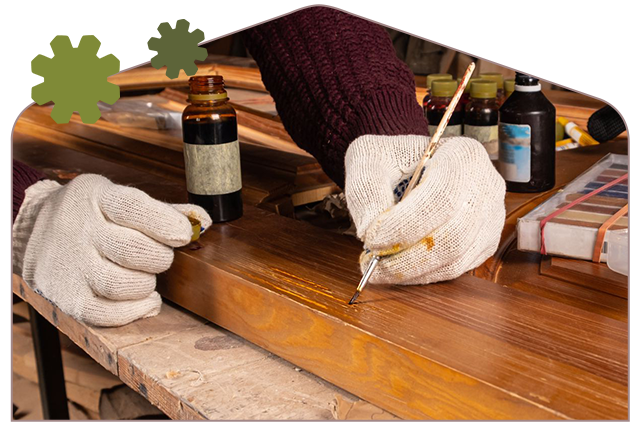
Repair keeps products in use for longer, delaying or even avoiding the need to manufacture replacements. It reduces demand for new raw materials, cuts carbon emissions associated with production and transport, supports skilled local businesses and prevents waste from ever entering the system.
If our environmental strategy only begins once something has become rubbish, we’ve already missed the biggest opportunity to reduce its impact.
We’ve Built Systems to Manage Waste, Not Prevent It
Over the past two decades, the UK has invested heavily in helping society deal with waste. Councils collect it, contractors process it, communications teams encourage us to recycle it and governments continue to invest in improving recycling infrastructure. This year alone, English councils are receiving £1.1 billion through the Extended Producer Responsibility for Packaging scheme to strengthen recycling systems (£1.4 billion if you include money going to devolved authorities too).
That investment matters.
But where is the equivalent ambition for repair?
Where is the national infrastructure that helps people repair products before they become waste? Where are the campaigns encouraging repair with the same visibility as recycling? Where are the repair hubs, the investment in independent repair businesses and the practical tools that make finding a repairer as easy as finding your nearest recycling centre?
The imbalance is difficult to ignore.
Repair has been ignored because the entire environmental system has been built around managing waste instead of preventing it.


People Don’t Need More Awareness. They Need Better Systems.
The truth is most people don’t enjoy throwing things away. They don’t want to replace a favourite chair, a well-made coat or a family dining table if it can be repaired. The problem isn’t that people don’t care. It’s that repairing something is often unnecessarily difficult and expensive.
When an item breaks, many people simply don’t know where to turn. For years, finding a skilled repair specialist involved searching across Google, Facebook groups and recommendations from friends. Meanwhile, buying a replacement takes only a few clicks.
That isn’t because consumers have chosen convenience over sustainability. It’s because the system has been designed to make replacement easier than repair.
Behaviour doesn’t change simply because people are told to try harder. It changes when the right choice becomes the easiest choice.
It’s what gave us the drive to begin We Are Repairs – we knew we needed to build a system that makes it as easy to find someone to repair your broken item as it currently is to discard it and buy a new one.
Repair Businesses Are Preventing Waste Every Day
Across the UK, thousands of independent repair businesses quietly prevent waste every single day. Upholsterers, furniture restorers, cobblers, electronics specialists, watchmakers, ceramic repairers, clothing alteration businesses and countless other skilled craftspeople are extending the life of products that would otherwise be thrown away.
These businesses don’t simply fix broken items.
They reduce demand for new resources, preserve traditional skills, create local employment, strengthen high streets and keep valuable products in use for years, often decades, longer than they otherwise would have been.
If waste prevention sits at the top of the waste hierarchy, these businesses should be recognised as essential infrastructure within our circular economy.
Instead, they are often treated as an afterthought.


It’s Time to Shift the Conversation
This Recycling Week it is the 20th Anniversary of the campaign and the theme is “Rescue Me”, focusing on rescuing recyclable items from general waste bins. A perfect tagline for us to ask to go that step further and start thinking beyond the recycling bin.
Before asking where something should be recycled, ask why it became waste in the first place.
Before assuming replacement is the only option, ask whether it could be repaired.
And before placing more responsibility on consumers, let’s start asking whether enough responsibility is being placed on the companies designing products, the systems encouraging replacement and the policies that continue to prioritise waste management over waste prevention.
Recycling will always be part of the solution, but it cannot be the whole solution.
We cannot recycle our way out of overproduction.
We cannot continue asking the public to carry the weight of a system that was never designed to make sustainable choices easy.
If governments, councils and industry are genuinely committed to reducing waste, they must invest in preventing it with the same ambition they have invested in managing it. That means supporting better product design, strengthening the Right to Repair and giving independent repair businesses the visibility and support they deserve.
At We Are Repairs, we believe sustainability should start long before something reaches the recycling bin. That’s why we’re building the UK’s largest directory of independent repair businesses – to make repair easier, more accessible and a normal part of everyday life.
Article suggestions for you
 Second-Hand September encourages us to buy pre-loved instead of new, helping reduce waste and tackle overconsumption. But there's one essential part of the story that's almost always overlooked. Every second-hand item will eventually need repairing, and without skilled repair businesses there is no true circular economy. Discover why repair is the hidden infrastructure that keeps furniture, clothing, electronics and homeware in use for generations, and why supporting independent repairers is just as important as buying second-hand.
 The UK Government’s fire safety consultation is nearing its 23 June deadline. With proposed changes to furniture fire regulations, growing concerns around toxic smoke, and new evidence on health risks for firefighters and upholsterers, this is a critical moment to shape future policy. Discover what’s at stake, what the latest research shows, and why there is still time, and a real need, to have your say
 One year after launching We Are Repairs, we're reflecting on the growth of the UK's repair movement, the challenges facing independent repair businesses and why repair must play a central role in building a truly circular economy. From helping thousands of customers find trusted repair services to advocating for greater support and visibility for the repair sector, this is our story so far and our vision for the future. Join us as we celebrate a year of championing repair, restoration and sustainability across the UK.