Walk into any high street furniture store and you’ll see rows of flat-pack tables, storage pouffes, £40 chairs and £100 wardrobes ready to be wheeled out the door. They’re convenient, stylish (at least for a season) and most importantly, cheap. Or at least, they seem cheap.
But just like fast fashion, fast furniture carries hidden costs – to the environment, to the workers who make it and to our wallets in the long run.
The Problem With Fast Furniture
Most fast furniture is made from chipboard, particleboard or MDF, materials engineered from wood dust and resin. They’re lightweight, easy to mass-produce and cheap to ship and buy. But they don’t last.
Screws strip, corners chip and the structure weakens with every move. The average piece of fast furniture lasts for 5 – 7 years before ending up in landfill or incineration (Impactful Ninja).
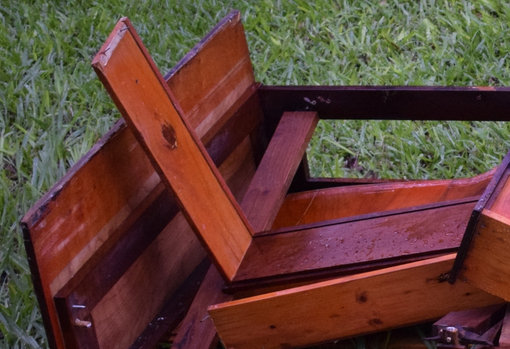
So that flat-pack bookshelf might survive a couple of years, maybe less if it’s moved between homes. Compare that with a solid wood bookshelf, built decades ago, that can still be repaired, sanded, stained, or reinforced for generations.
Let’s do the maths. A solid wood bookcase that you buy for £250 and keep for 40 years is a lifetime revenue for the shop of £250. Now take a £55 particle board bookcase that you have to replace every 5 years – that’s £440. An extra £190 from you (and that’s without taking into account that the price of that £55 bookcase will rise substantially over the same 40 years, or the fact that you can buy solid wood furniture for considerably less money second-hand).
Fast furniture is designed to be disposable. To be in your home for a season before being replaced by the next trend. Disposable furniture comes at a high cost.
The Hidden Environmental Price Tag
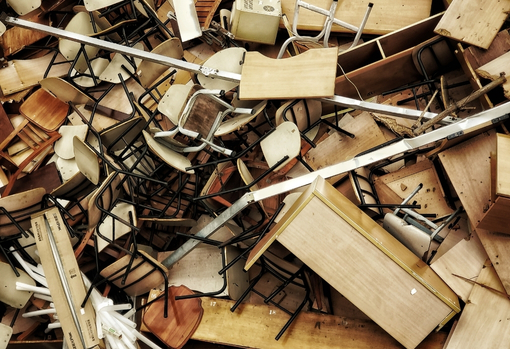
Globally, furniture waste is a growing crisis. In the United Kingdom alone, around 670,000 tonnes of furniture are discarded every year (approx. 22 million pieces) (Let’s Recycle). Particleboard products are nearly impossible to recycle because of the adhesives and chemicals that bind them, so it all ends up incinerated or in landfill.
What looks like a bargain in-store often translates into landfill waste within a few years. And it’s not only the reduced quality of materials used that’s causing a problem. Similarly to fast fashion, it’s also the wages & health implications for the workers who make these pieces.
A 2023 study, conducted by the German Federal Ministry for Economic Cooperation and Development of the Forestry & Furniture Manufacturing labour force, in Vietnam, found that the average monthly wage paid to workers was 17.6 million Dong for an average of 3-6 pieces per person per day. This equates to a daily salary of £16 per day and £2.67 – £5.33 per piece of furniture. (German Federal Ministry for Economic Cooperation and Development (BMZ) & World Bank).
Data shows an estimated 80 to 90% of the environmental impacts in the lifecycle of furniture items are linked to the design and components of the products (Gov.uk). Then add in the CO2 emissions of global shipping and packaging.
Suddenly, that “cheap” chair looks a lot more expensive for the planet. The environmental gains to be had from repairing, reusing and repurposing furniture already in existence in the UK are huge. Extending the life of furniture by just one additional year can significantly reduce its carbon footprint.

Why Repair Is the Smarter Choice
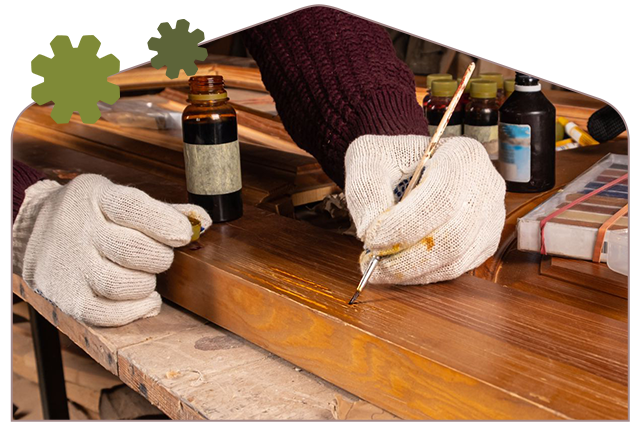
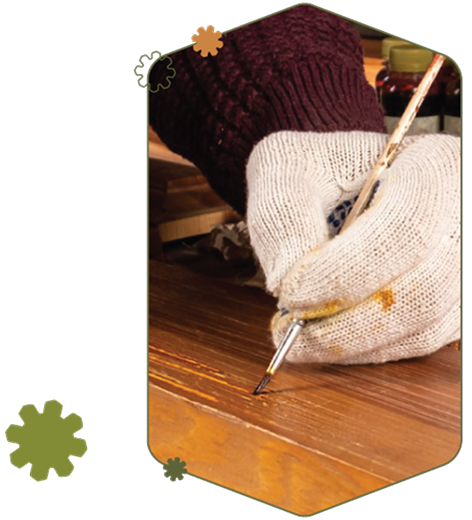
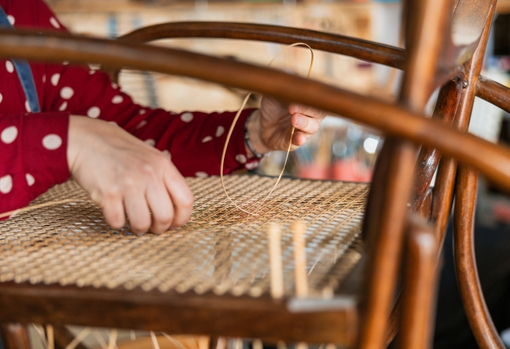
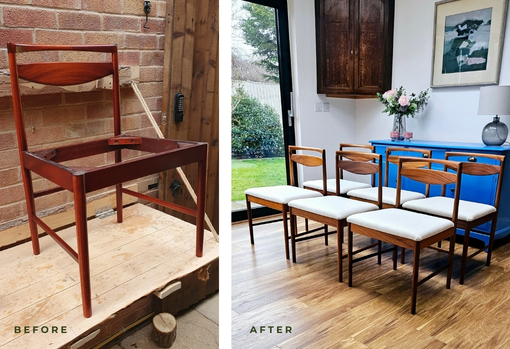
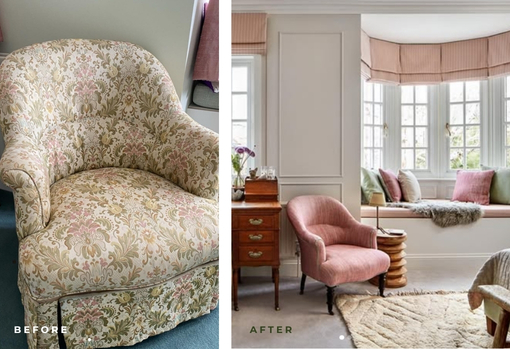
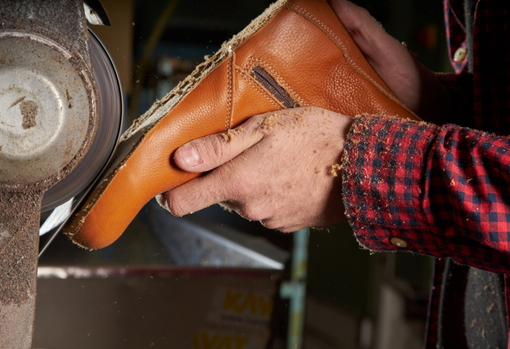
Repair is consistently ranked among the most effective waste prevention strategies in UK government guidance (WRAP). Instead of tossing out a wobbly chair, a local repairer can re-glue joints, replace screws, add reinforcement or even create a new leg entirely. A scratched tabletop can be sanded and refinished, turning what looked like junk into a piece with character. A dated, stained sofa can be given a whole new identity with reupholstery and a new fabric.
Yes, the repair of furniture items generally costs more than buying a new flat-pack alternative – local, British companies cannot, and should not, be offering labour as cheaply as overseas mass manufacturing at £2.00-5.00 per chair. (If we’re being totally honest, the overseas factories shouldn’t be allowed to do it either – but the only way we can stop that practice is by not spending our money with these companies that exploit their workers).
Repair is more expensive because you’re paying for local, skilled craftsmanship and time, not hidden exploitation, greenwashing marketing or disposable materials. Repair money stays in your local economy and invests in work that values durability over disposability.
In reality, the expensive thing isn’t the repair. It’s the endless cycle of buying, breaking and replacing.
A Culture Shift: From Throwaway to Timeless
Fast furniture reflects a culture of temporary living, where homes are filled quickly and cheaply, only to be emptied just as fast. But our homes, like our lives, deserve better than disposable design.
Repairing, restoring and investing in quality furniture is an act of sustainability. It’s also an act of resistance against the idea that our belongings, and by extension, our lives, are meant to be temporary. When we fill our homes with furniture and belongings that mean something to us, we start to see our homes not as temporary spaces but as places worth investing in. We begin to trust our taste and fill our homes with things that we like and enjoy, not with things that we’ve seen as a trend on social media or in magazines.
And that’s exactly what the mass manufacturing companies don’t want you to do – because someone that is happy and content with their style and choices doesn’t continue to spend money chasing the dopamine hit. They are less profitable because they already get their dopamine hit at home, with the items they love and hold memories.
The Bottom Line
So while the £40 table might seem like a bargain in store today, just think about what it is made of and how long it will last. Because when it ends up at the tip in two years, that “bargain buy” will have cost you more money, more resources and more waste than a single repair or an investment in quality.
The mindset needs to change – Repair is not overpriced, it is fast furniture that is undervalued and artificially cheap.
So this Mend It May, before replacing something, ask: Can this be repaired? The answer will almost certainly be yes.
We must remember the most sustainable piece of furniture isn’t the one you buy next, it’s the one you already own.
And if you don’t already have a piece that can be upcycled, repaired or restored, then check out the incredible second-hand shops and car boot sales up and down the country to find something you can customise to your taste. You’ll end up with a piece of furniture that will be with you for years and bring a smile to your face every time you see it.
That is worth more than anything you can buy brand new.
Article suggestions for you
 Black Friday might promise big bargains, but are they all they claim to be? And what about the huge environmental cost? Explore the hidden impact of overconsumption and discover smart, sustainable alternatives that help protect the planet.
 Celebrate International Repair Day and discover why fixing what we already own matters for our planet, our communities and our wallets. From practical repair tips to ways you can get involved, explore how you can find trusted UK repair experts and join the growing repair movement. Let’s fix our future, one item at a time.