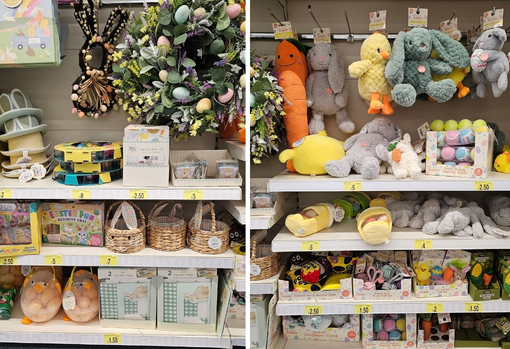
By the time Easter weekend arrives, the supermarket shop shelves & internet marketplaces have been stacked for months with giant eggs wrapped in layers of cardboard, foil and plastic alongside thousands of pastel-coloured decorations.
Easter, along with most of our celebratory holidays these days, has become a season defined by marketing and consumption: coloured eggs, more packaging, themed gifts that barely last a weekend. Holidays are treated as consumption peaks rather than opportunities for connection.
A Holiday Shaped by Buying
Historically, Easter centred on faith, community and shared meals. Today, it also drives a significant surge in seasonal spending, particularly on confectionery and short-lived novelty items. Promotions push shoppers towards buying multiple gifts per person, while packaging grows ever more elaborate to stand out on crowded shelves.
The excessive buying isn’t driven by bad intentions. When we celebrate occasions, we want to feel joy. A huge part of our human nature is to give generously and make those around us happy. Giving gifts is an expression of care but these good intentions are being hijacked by mass manufacturers to encourage you to overbuy.
The shift has been subtle but profound: celebration has become tied to consumption rather than connection and it’s time for us to take it back.

The Hidden Costs of Seasonal Abundance
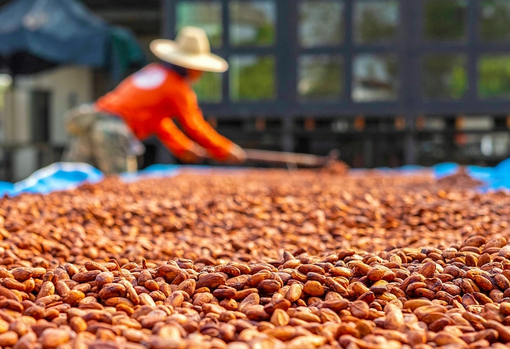
Because behind the colourful displays of cute little bunnies, chicks and chocolate eggs lies a broader environmental story. Chocolate itself depends on global cocoa production, which is being increasingly impacted by climate pressures. More demand often means more strain on agricultural systems already facing extreme weather and changing growing conditions.
Take a look at the labels next time you’re in a shop. Many of your old favourite chocolate treats are now becoming chocolate-flavoured. A trend that the mass manufacturers are hoping we won’t notice. The extreme weather and changing growing conditions threaten harvest stability, pushing prices upward and adding strain to production systems. But that does not halt or reduce production…with the price of cocoa starting to harm the profit margin, manufacturers are just quietly beginning to replace it with flavouring instead. Same price, same profit, smaller bar/egg, lower quality…sound familiar?! It’s fast fashion and fast furniture all over again.
Then there’s waste from both packaging materials and food. Seasonal items are designed for short-term use and surplus products frequently go uneaten once the excitement fades. While each decision feels small, collectively they represent a pattern repeated across millions of households.
Councils and recycling campaigns estimate that every Easter, the UK throws away around:
· 8 million hot cross buns
· 19 million leftover potatoes
· 8 million Easter eggs
· And an estimated 8,000 tonnes of Easter egg packaging waste (DS Smith, 2025)
Being packaged as an Easter item to sell means that these items are being thrown into the bin before they’re out of date, leading to staggering amounts of food waste at a time when many people are having to turn to food banks to feed their families.

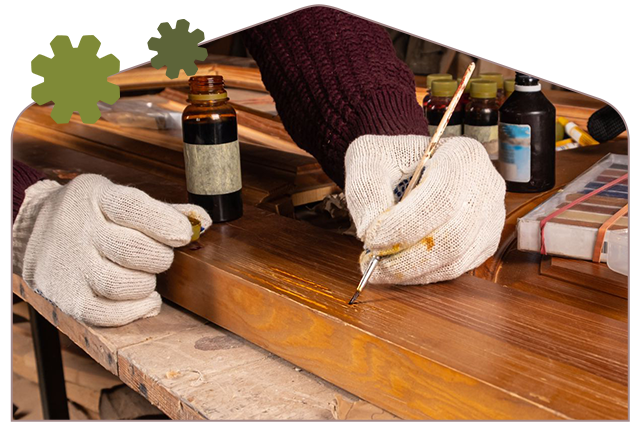
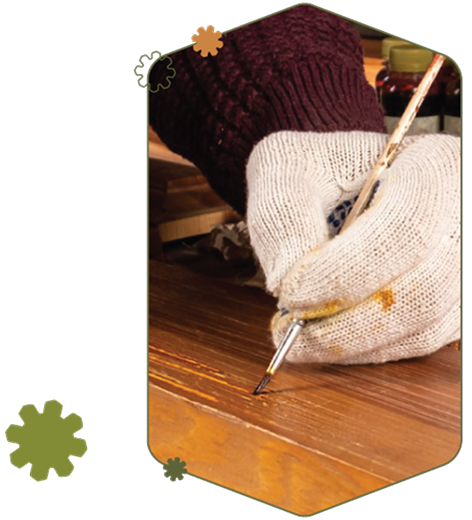
Why Reuse & Repair Are Real Creative Solutions
Many of us already feel fatigued with excessive consumption & waste. We want to create good memories and spend time with the people we love without the pressure and guilt being forced upon us. Prioritising time over buying gifts is where sustainability can feel less like a sacrifice and more like a relief.
Handmade decorations, passed down year after year, hold far more meaning than disposable trends and shift the focus from novelty to care. These acts may seem modest, yet they challenge the idea that every holiday requires new things to feel special.
Repair and reuse also reconnect Easter with older traditions when creativity, resourcefulness and community mattered more than constant over consumption. A growing number of families are choosing to buy fewer gifts, focusing instead on traditional experiences: baking together, painting and decorating real eggshells, organising homemade egg hunts or spending time outdoors and we’re all for it.
Joy Doesn’t Require Excess
The mass consumption surrounding Easter didn’t appear overnight, and it won’t disappear instantly either, but change rarely begins with sweeping gestures. It starts with small shifts, by each one of us choosing quality over quantity, time over money, reusing what we already have and questioning whether new purchases truly add value to our lives.
There’s a misconception that sustainability makes holidays feel restrained or less festive. We’re here to remind you that in practice, many people find the complete opposite: that simplifying celebrations makes them richer and more enjoyable.
A simple outdoor egg hunt built around handmade clues, a shared meal cooked from seasonal ingredients, a family board game or a single thoughtfully chosen chocolate egg can feel more memorable than piles of packaging. In years to come, your children won’t remember how much was purchased; they’ll remember the experiences shared with family and friends. And they’ll likely carry those memories and traditions onto their own families when that time comes.
By slowing down and choosing intentionally, Easter can return to what it symbolically represents: renewal, reflection and hope.
Article suggestions for you
 Rethink Valentine’s Day with gifts that truly last. From repairing sentimental items to sourcing second-hand treasures or making something by hand, discover sustainable, heartfelt ways to celebrate love while reducing waste and environmental impact. Thoughtful, creative, and kind to the planet - love the way it was meant to be.
 This Christmas, step away from the rush and embrace mindful, eco-friendly living. Explore how slowing down can reduce consumerism, improve wellbeing and help you reset habits for a more intentional and sustainable 2026. This is your sign to take a well deserved rest!
 Find out about our Winter Webinar Series for Repair & Restoration Professionals. Four expert-led sessions covering confidence, pricing, writing and photography - all tailored to repair, restoration and conservation businesses. Join individual webinars or save with the £65 bundle. These also make a perfect Christmas gift for someone starting out in business.