Valentine’s Day (and Galentine’s or Palentine’s Day – however you choose to celebrate love) has a funny way of sneaking up on us.
One minute it’s January, the next minute the shops are full of red roses, heart-shaped boxes of chocolates and well-meaning (but mass-manufactured) panic purchases. These days, the 14th of February arrives with a LOT of pressure to buy something to prove your love.
There’s nothing wrong with buying a present for someone you love but when love becomes a last-minute transaction, it can lose some of its meaning.
This year, what if we slowed things down and chose a more thoughtful, more sustainable way to celebrate the people who matter to us?
Repair Is Our Kind of Love Language
Some of the most heartfelt gifts aren’t brand new, they’re already full of memories.
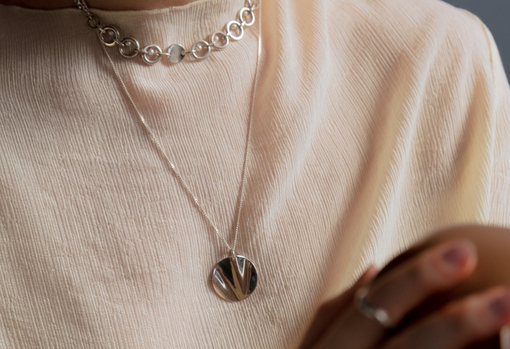
That necklace with a broken clasp.
The jumper with a hole in the sleeve.
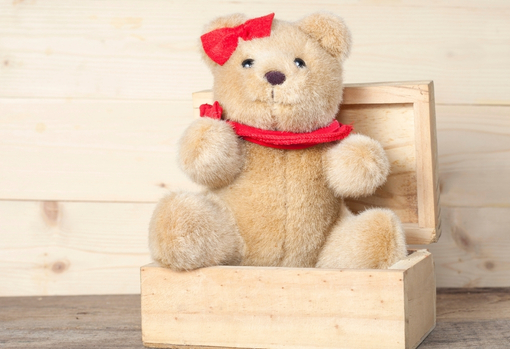
The childhood best friend teddy bear that’s been hidden in a cupboard because its leg is holding on by a thread.
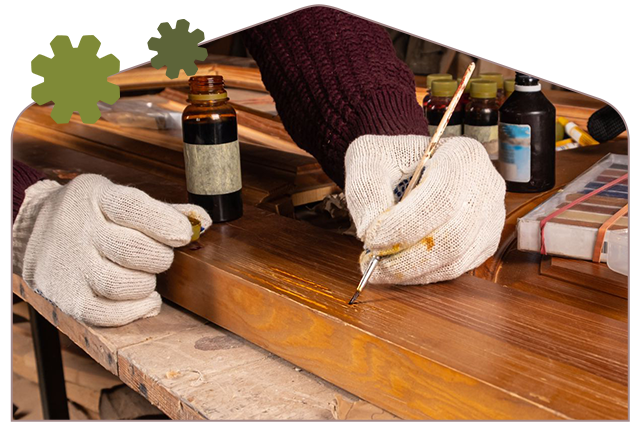
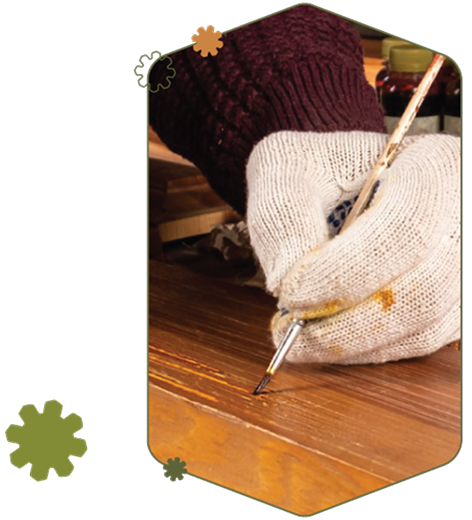
Repairing something meaningful can be a powerful act of love. It says, “I’ve paid attention. I know this means a lot to you. I want it to last.” In a world that constantly encourages us to replace rather than repair, choosing to fix something is both romantic and quietly radical.
There’s a reason we’re talking about Valentine’s Day in January: repairing items can take time. If you’ve got an item you’d like to get restored, now is the moment to get in touch with a repairer near you to get the ball rolling.
Second-Hand, First-Class Love
Buying second-hand isn’t a compromise, it’s an opportunity.
Vintage jewellery, pre-loved books with inscriptions, unique homeware or clothing with a story already attached can feel far more special than something picked up in a rush. Second-hand gifts are often one-of-a-kind, kinder to the planet, and chosen with intention rather than convenience.
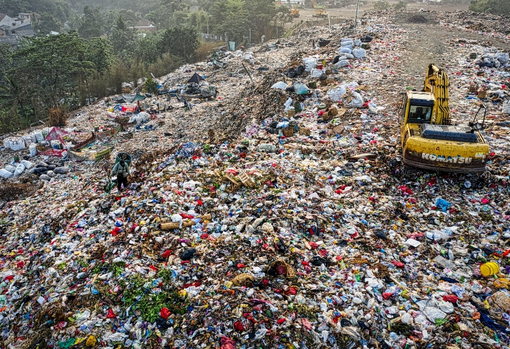
Plus, they help to avoid the waste that often follows mass-produced seasonal gifts. Valentine’s Day generates an estimated 7,500 tonnes of plastic packaging and 17,000 tonnes of cardboard waste in the UK each year (Business Waste).
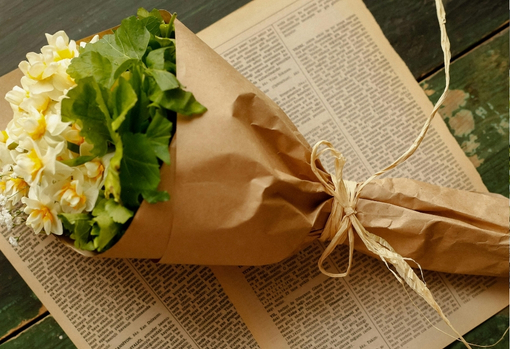
And then there are the flowers. Roses aren’t in season in the UK in February; they naturally bloom from June onwards. So most Valentine’s roses are flown in from Africa, and in the three weeks leading up to Valentine’s Day, flower deliveries create around 360,000 tonnes of CO₂ emissions (equivalent to the annual emissions from approximately 80,000 petrol cars). Add refrigerated storage and transport, and the environmental impact grows even further.
If flowers are important to you, there are better options. Choose flowers and stems that are in season in the UK in winter. For an alternative to mass-produced bouquets, check out the Flowers From the Farm directory to find UK-grown, seasonal flowers from a grower near you.
Thoughtful Beats Last-Minute Every Time
We know that life is busy and when celebrations creep up on us, it’s easy to fall back on the same default gifts. Even if you read this blog in January, you may still forget about Valentine’s Day until the day before. But it’s important to remember:
A gift doesn’t have to be perfect to be precious. In fact, that’s often the point.
If you don’t have time to get something repaired or find something second-hand, then try making something yourself.
A handwritten letter. A baked treat wrapped in reused paper. A playlist with a note explaining why each song made you think of them.
These choices create a connection. The making and thought process behind a gift like this is part of the gift – it is care and love that you can both see and feel.
Celebrate Love in All Its Forms
Valentine’s Day isn’t about grand gestures or spending money, and Galentine’s Day doesn’t need novelty pink packaging to be fun. Both are really about connection – romantic, platonic, or anywhere in between.
They’re about spending time with the people you love and letting them know you’re thinking of them.
Choosing to celebrate this Day of Love sustainability is simply choosing to honour that connection with care, intention and respect for the world we share.
This year, let’s celebrate love that lasts longer than a bouquet and gifts that mean more than a quick purchase ever could. 💗🌍
Article suggestions for you
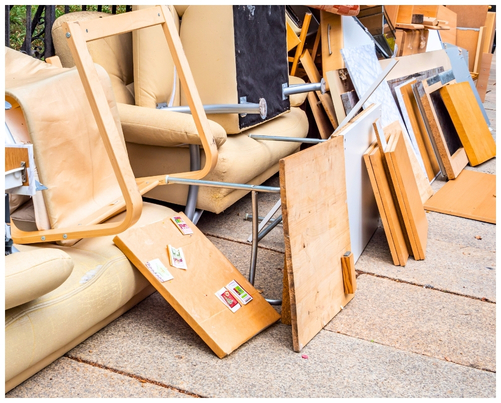 Discover the impact of fast furniture on the environment, the workers who make it and the impact on your pocket. This blog shares insight into why fast furniture is the new fast fashion and the benefits of repurposing what you already own. Whether you're looking to repair, reuse or rethink how you furnish your space, you'll find guidance to make more conscious choices.
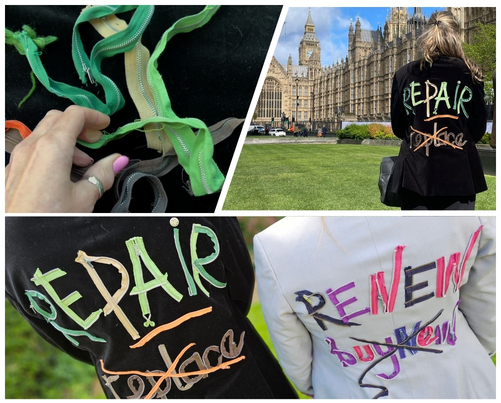 A powerful story of turning overlooked clothing into a statement for change, this blog explores how repair, creativity and skilled craftsmanship can transform what you already own into something meaningful, personal and built to last.
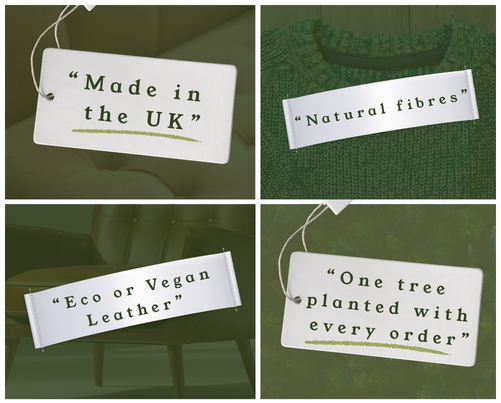 A thought-provoking look at the hidden realities of the modern trend of sustainability, this blog explores how greenwashing and consumer culture keep us buying more and why repair is the real solution to reducing waste and living sustainably.