
Each year, Black Friday arrives with the same promise: massive discounts, limited-time deals and the thrill of getting more for less.
But behind the excitement lies the reality – Black Friday is bad news for the planet.
From overproduction and shipping emissions to the mountains of waste generated from impulse purchases, this global shopping event comes with a hefty environmental price tag.
The good news? We can break the cycle. And it starts with awareness.
Why Black Friday Is Harmful to the Environment
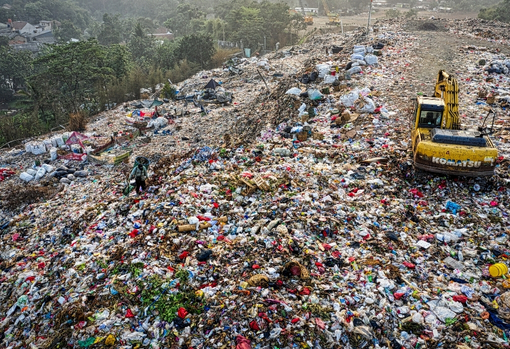
1. Overproduction Means Massive Waste Generation
Black Friday encourages companies to manufacture enormous amounts of stock, much of which isn’t needed in the first place. When items don’t sell, they are often disposed of, incinerated or sent to landfill. Even the items that do sell frequently end up discarded within months.
Up to 80% of Black Friday purchases end up this way. In the UK alone, an extra 1.5 million tonnes of waste will be created (Business Waste, 2025)– that’s approximately 1,875 Olympic-sized swimming pools full of discarded purchases from just one weekend’s shopping.
2. Fast Shipping = Fast Emissions
Same-day delivery and “express shipping” sound convenient but they come with a steep carbon footprint. The rush to deliver packages often results in half-empty vans, inefficient routes, and significant emissions.
Deliveries associated with Black Friday are expected to generate 429,000 metric tonnes of CO₂ in the UK (Collect & Recycle, 2024) – the equivalent of 435 return flights from London to New York.
3. Low-Quality, Disposable Products
Black Friday deals often feature cheaply made items designed to be replaced quickly. These products are not built to last so they end up as waste faster than higher-quality alternatives.
4. Impulse Buying = Wasteful Buying
Black Friday thrives on urgency: limited time only, before it sells out, lowest price ever.
This pressure leads to impulse purchases we don’t actually need, items that will end up forgotten, unused, or eventually thrown away, 52% of Black Friday buyers regret their purchase just one week later.

How to Avoid Black Friday Waste
You don’t have to opt out of Black Friday altogether; you just need a more thoughtful approach. Here’s how to make sustainable choices during the biggest shopping season of the year:
Pause Before You Buy
Knowing that 80% of purchases end up as waste, and 52% of us regret our purchases just one week later, take a moment to reflect before hitting “Buy Now”. Ask yourself:
-
Do I genuinely need this?
-
Do I already own something similar?
-
Will I still use this in six months?
If the answer is no, skip it.
Choose Quality over Quantity
A well-made item that lasts for years is far better for the environment (and your wallet!) than buying the cheapest option that will break by next season. Really look at the labels of what you’re buying – is that expensive wool coat really made of wool or is it mainly plastic polyester with just a small amount of natural fibres that allows them to pretend it’s real?
Buy Second-Hand First
Don’t forget that “new to you” is just as exciting as “brand new.” The second-hand market is full of high-quality items across every category of homeware, clothing and tech, many of them often barely used. The pre-loved/refurbished market is a greener, more resource-efficient option all round.
Support Sustainable or Local Brands
Now is a great time to start your Christmas shopping – but do you need to hit the mass-manufactured products? Spend your money in small independent businesses and local brands – where people and the product come before the profit.
The independent business owners don’t have the million-pound marketing budgets of the big stores but you’ll get a whole heap more satisfaction from your purchase! Buying locally also reduces transportation emissions.
Avoid Fast Delivery Options
If you are buying online, opt for standard shipping over express options. That helps cut down on the CO₂ emissions tied to Black Friday transport as it allows companies to consolidate deliveries and reduce fuel use – sometimes by a significant amount.


A Better Way Forward
Black Friday might feel like a bargain event, but the environmental cost is anything but cheap. Between millions of tonnes of waste, huge carbon emissions and a culture that encourages throwaway buying, this shopping day contributes significantly to the climate crisis.
But it doesn’t have to be that way. Armed with awareness, we all have the power to shift our buying habits:
-
Buy less, buy better
-
Choose more thoughtfully,
-
And steer away from impulsive deals that only add to the planet’s burden.
Let’s redefine what a “deal” really means. Think about where you are spending your money and remember 92% of Black Friday offers are cheaper or the same price at other times of the year (Which, 2024).
Every pound you spend can make a difference, so let’s start voting for the world we want with the money we have. We don’t need to be pressured into buying just what’s cheap now; we can think about what’s truly good for our future.
A purchase that supports sustainability, reduces waste and aligns with our values?
Now that’s a deal worth celebrating.
Article suggestions for you
 Discover the impact of fast furniture on the environment, the workers who make it and the impact on your pocket. This blog shares insight into why fast furniture is the new fast fashion and the benefits of repurposing what you already own. Whether you're looking to repair, reuse or rethink how you furnish your space, you'll find guidance to make more conscious choices.
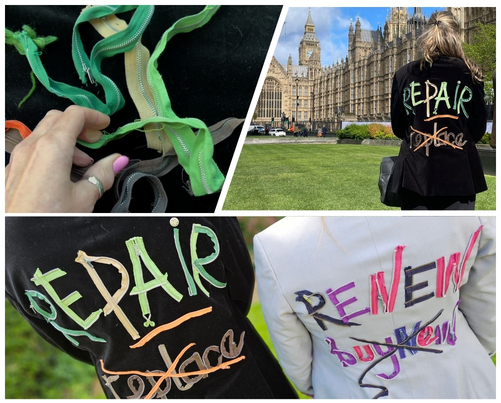 A powerful story of turning overlooked clothing into a statement for change, this blog explores how repair, creativity and skilled craftsmanship can transform what you already own into something meaningful, personal and built to last.
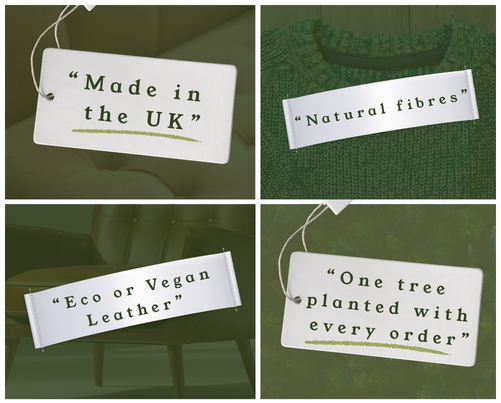 A thought-provoking look at the hidden realities of the modern trend of sustainability, this blog explores how greenwashing and consumer culture keep us buying more and why repair is the real solution to reducing waste and living sustainably.